


About UKiset Non-Verbal Reasoning
Non-verbal reasoning is one of the most challenging parts of the UKiset examination for many international students. Unlike standard mathematics questions, non-verbal reasoning focuses less on calculation and more on pattern recognition, logical thinking, spatial awareness, and visual problem solving.
Many students struggle with non-verbal reasoning initially because the question style is often unfamiliar. In particular, students may understand the underlying logic but still find it difficult to solve questions quickly under timed examination conditions.
Since the UKiset assessment is adaptive, the difficulty of questions changes according to the student’s performance during the examination. Therefore, students should not panic if some questions become increasingly difficult, as this may actually indicate strong performance.
Common Types of UKiset Non-Verbal Reasoning Questions
Although question styles may vary, UKiset non-verbal reasoning assessments commonly include the following types of questions:
1. Sequence
Students identify patterns between shapes, symbols, or figures and determine the missing part of the sequence. These questions test logical progression and pattern recognition skills.

2. Shapes and Patterns
Students compare similarities and differences between shapes, including shading, position, size, and orientation. Strong observation skills are important for this type of question.

3. Rotations
These questions assess spatial awareness and visualization skills. Students must mentally rotate shapes and understand how figures change position or direction.

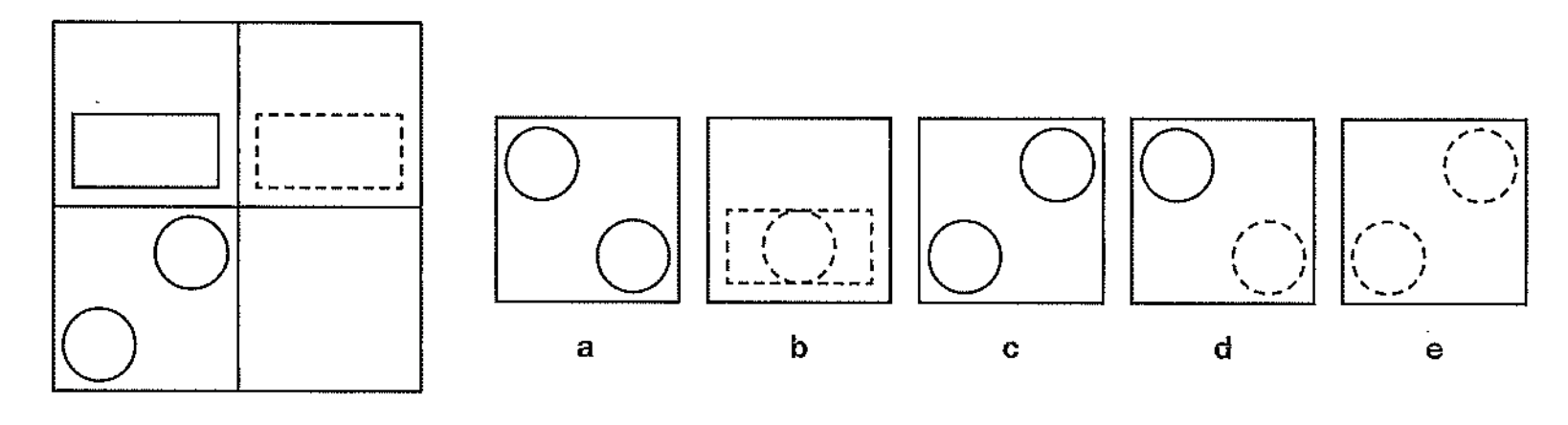
4. Grid Patterns and Directions
Students analyse relationships between shapes inside grids and determine the missing element based on logical rules or directional movement.
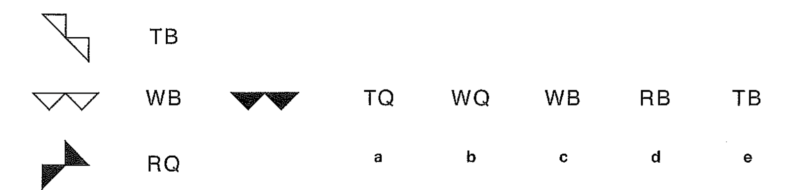
5. Codes
Code questions require students to identify relationships between symbols, shapes, and letter patterns. These questions often test logical deduction and attention to detail.
How Can Students Prepare for UKiset Non-Verbal Reasoning?
Many students initially find non-verbal reasoning difficult because success depends heavily on familiarity with question styles, logical thinking, and efficient problem-solving techniques. Regular exposure to different question types can therefore improve both speed and confidence significantly.
In many cases, students who struggle are not necessarily weak academically. Instead, they may simply lack experience with UK-style reasoning assessments and timed entrance examination conditions. As a result, structured practice and systematic preparation often play an important role in improving performance.
With over 17 years of experience teaching international and boarding school students, Vic provides structured UKiset preparation focused on improving reasoning skills, pattern recognition, examination speed, and confidence under timed conditions.
Students who would like additional support can also learn more about Vic’s UKiset tutoring, including preparation for Mathematics, Non-Verbal Reasoning, and examination techniques.
Reference: UKiset Official Website